MTU 12V 2000 M96L Thermostat Inspection: Why One Small Valve Can Protect Your Entire Marine Engine
The cooling system of a marine diesel engine is designed to keep temperatures within a narrow operating range. While major components like the seawater pump, freshwater pump, and heat exchanger often receive the most attention, the thermostat is just as important.
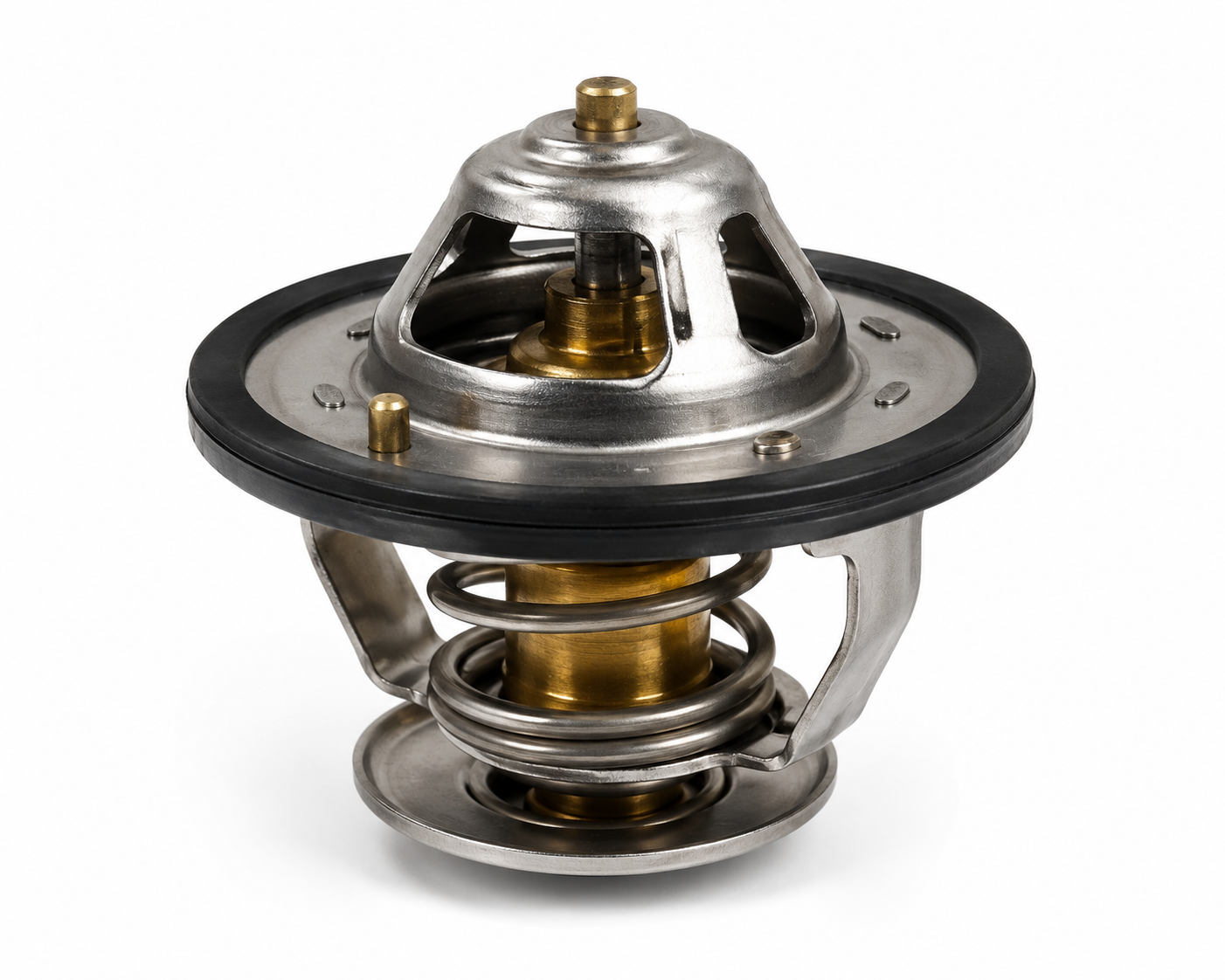
On the MTU 12V 2000 M96L, the thermostat regulates coolant flow through the engine. It opens and closes automatically based on coolant temperature, allowing the engine to warm up efficiently and maintain the correct operating temperature under varying loads.
Although it is a relatively small component, a faulty thermostat can lead to overheating, poor fuel efficiency, excessive engine wear, or unstable operating temperatures. Understanding how it works and knowing when to inspect it can help marine engineers avoid costly downtime.
What Does the Thermostat Do?
The thermostat is a temperature-controlled valve installed within the engine's cooling circuit.
When the engine is cold, the thermostat remains closed, allowing coolant to circulate only within the engine. This helps the engine reach its ideal operating temperature quickly.
As coolant temperature increases, the thermostat gradually opens, directing coolant to the heat exchanger where excess heat is removed before the coolant returns to the engine.
Its primary functions include:
- Regulating coolant flow
- Maintaining operating temperature
- Improving fuel efficiency
- Reducing engine wear during warm-up
- Preventing overheating
- Supporting consistent engine performance
Why Is the Thermostat Important?
Marine diesel engines are engineered to operate within a specific temperature range.
If the engine runs too cold:
- Fuel combustion becomes less efficient.
- Engine oil may not reach its optimal viscosity.
- Carbon deposits can increase.
- Fuel consumption may rise.
If the engine runs too hot:
- Cylinder heads may suffer thermal stress.
- Lubricating oil can degrade faster.
- Pistons and liners expand beyond normal tolerances.
- The risk of engine damage increases.
The thermostat helps prevent both conditions by maintaining stable coolant temperatures.
A Real Marine Maintenance Scenario
A commercial crew transfer vessel equipped with MTU 12V 2000 M96L engines began experiencing fluctuating coolant temperatures during long offshore runs.
The seawater pump, heat exchanger, and coolant levels were inspected first, but no problems were found.
During scheduled maintenance, engineers removed the thermostat for testing.
Mineral deposits had partially restricted its movement, preventing it from opening smoothly.
After installing a new thermostat and replacing the coolant, engine temperatures stabilized, improving overall engine efficiency and reducing temperature fluctuations.
This simple maintenance task prevented unnecessary troubleshooting and reduced the risk of overheating during future operations.
Common Causes of Thermostat Failure
Although thermostats are designed for long service life, several conditions can reduce their reliability.
Age and Fatigue
The thermostat cycles open and closed every time the engine operates. Over thousands of hours, the internal spring and temperature-sensitive element gradually wear.
Coolant Contamination
Rust particles, scale, or debris within the cooling system can restrict thermostat movement.
Incorrect Coolant
Using coolant that does not meet MTU specifications may accelerate corrosion and internal deposits.
Overheating Events
Repeated overheating can permanently damage the thermostat's operating mechanism.
Poor Cooling System Maintenance
Neglecting coolant replacement increases the likelihood of corrosion and deposits throughout the cooling system.
Early Warning Signs
A thermostat often gives early indications before complete failure.
Watch for:
- Engine taking longer to warm up
- Rising coolant temperatures
- Temperature fluctuations
- Reduced cabin heater performance (where applicable)
- Engine overheating under load
- Coolant temperature alarms
- Poor fuel economy
- Inconsistent operating temperature
- Frequent cooling system inspections without obvious cause
- Visible corrosion during maintenance
Investigating these symptoms early can prevent more serious cooling system failures.
Related Components to Inspect
Whenever the thermostat is serviced, engineers should also inspect:
- Freshwater pump
- Seawater pump
- Heat exchanger
- Expansion tank
- Coolant hoses
- Hose clamps
- Charge air cooler
- Oil cooler
- Coolant temperature sensors
- Coolant pressure cap
Inspecting the complete cooling circuit ensures reliable engine operation.
Coolant Analysis and Condition Monitoring
Coolant quality has a direct impact on thermostat life.
Routine coolant analysis helps monitor:
- Glycol concentration
- Corrosion inhibitor levels
- pH balance
- Contamination
- Metal particles
- Cooling system cleanliness
Maintaining high-quality coolant reduces internal corrosion and extends the service life of the thermostat and other cooling components.
Preventive Maintenance Checklist
Protect your cooling system with these routine maintenance practices.
✔ Inspect coolant level regularly.
✔ Replace coolant according to MTU maintenance schedules.
✔ Test thermostat operation during major servicing.
✔ Flush the cooling system when recommended.
✔ Inspect coolant hoses and clamps.
✔ Monitor engine operating temperature.
✔ Check for corrosion within the thermostat housing.
✔ Replace worn seals and gaskets.
✔ Investigate temperature fluctuations immediately.
✔ Record maintenance history for future reference.
Marine Engineer Tip
When replacing a thermostat, always inspect the thermostat housing and sealing surfaces for corrosion or scale buildup.
Installing a new thermostat into a damaged housing may prevent proper sealing and reduce cooling system efficiency.
Common Maintenance Mistakes
Avoid these common mistakes:
- Reusing old thermostat gaskets.
- Ignoring small temperature fluctuations.
- Mixing incompatible coolant types.
- Delaying coolant replacement.
- Assuming overheating is always caused by the seawater pump.
- Replacing components without testing the thermostat first.
Frequently Asked Questions
How long does a marine thermostat normally last?
Its lifespan depends on operating hours, coolant quality, and maintenance practices. Regular inspections help determine when replacement is necessary.
Can a faulty thermostat cause overheating?
Yes. A thermostat that fails to open fully restricts coolant circulation, causing engine temperatures to rise.
Can a thermostat fail in the open position?
Yes. This may prevent the engine from reaching its correct operating temperature, reducing efficiency.
Should the thermostat be replaced during an overhaul?
Many operators choose to replace the thermostat during major engine overhauls as a preventive maintenance measure.
Does coolant quality affect thermostat life?
Absolutely. Clean, correctly formulated coolant reduces corrosion, scale formation, and internal deposits.
Worldwide Marine Engine Spare Parts Supply
Alfa Marine Spare Parts supplies genuine, OEM, aftermarket, remanufactured, and reconditioned spare parts for the MTU 12V 2000 M96L and the complete MTU Series 2000 engine range.
We proudly support:
- Marine Engineers
- Chief Engineers
- Technical Superintendents
- Shipyards
- Commercial Vessel Operators
- Offshore Companies
- Fishing Fleets
- Government Fleets
- Yacht Builders
- Marine Service Companies
We regularly supply marine engine spare parts throughout the United Kingdom, United States, Italy, Spain, France, Germany, the Netherlands, Norway, Greece, Monaco, Dubai (UAE), and Nigeria.
Browse Our Complete Catalog
Explore our extensive inventory of marine engine spare parts for MTU and many other leading engine manufacturers.
Browse Our Complete Catalog:
https://alfamarinespareparts.com/spareparts
Why Choose Alfa Marine Spare Parts?
At Alfa Marine Spare Parts, we understand that reliable cooling system performance depends on every component working together. Whether you need a thermostat, water pump, heat exchanger, or a complete overhaul kit, our team can help you source the correct parts quickly and accurately.
We supply:
- Genuine, OEM, aftermarket, remanufactured, and reconditioned marine engine spare parts
- Worldwide shipping
- Fast quotations
- Technical assistance with part identification
- Components for MTU, Caterpillar, Wärtsilä, Cummins, MAN, Volvo Penta, Scania, Detroit Diesel, Perkins, Yanmar, and many more.
Contact Alfa Marine Spare Parts
Website: https://alfamarinespareparts.com
Email: request@alfamarinespareparts.com
Whether you're planning preventive maintenance or responding to an unexpected cooling system issue, our experienced team is ready to help you identify the correct spare parts for your MTU marine engine.
Conclusion
The thermostat in the MTU 12V 2000 M96L is a small but essential component that plays a major role in maintaining stable engine temperatures. By regulating coolant flow, it helps the engine warm up efficiently, prevents overheating, and supports long-term reliability. Routine inspections, clean coolant, and timely replacement during scheduled maintenance can significantly reduce the risk of cooling system failures and help your MTU Series 2000 engine continue performing reliably in demanding marine environments.