Quote

Menu

Marine Spare Parts Blog & News

Read more
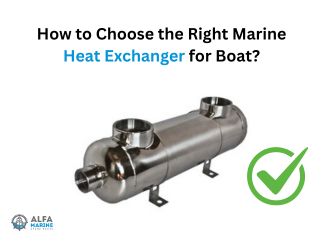
  • Why Choosing the Right Heat Exchanger Matters?
  • Understanding Marine Heat Exchangers
  • Types of Marine Heat Exchangers
  • 1. Plate Type Heat Exchanger
  • 2. Plate Fin Heat Exchanger
  • 3. Dynamic Scraped Surface Heat Exchanger
  • 4. Phase Change Heat Exchanger
  • 5. Spiral Heat Exchanger
  • 6. Direct Contact Heat Exchanger
  • Popular Marine Heat Exchanger Brands
  • Factors to Consider When Choosing a Marine Heat Exchanger
  • 1. Engine Compatibility
  • 2. Quality and Durability: Built to Withstand the Harsh Marine Environment
  • 3. Performance and Efficiency: Keeping Your Engine Cool While Saving Fuel
  • 4. Maintenance and Serviceability: Keeping Your Heat Exchanger Running Smoothly
  • Steps to Choosing the Right Marine Heat Exchanger for Boat
  • 1. Assess Your Boat's Engine Specifications:
  • 2. Identify Compatible Heat Exchanger Options:
  • 3. Compare Performance and Efficiency Ratings:
  • 4. Research Maintenance and Service Requirements:
  • 5. Consider Your Budget and Needs:
Read more
Read more
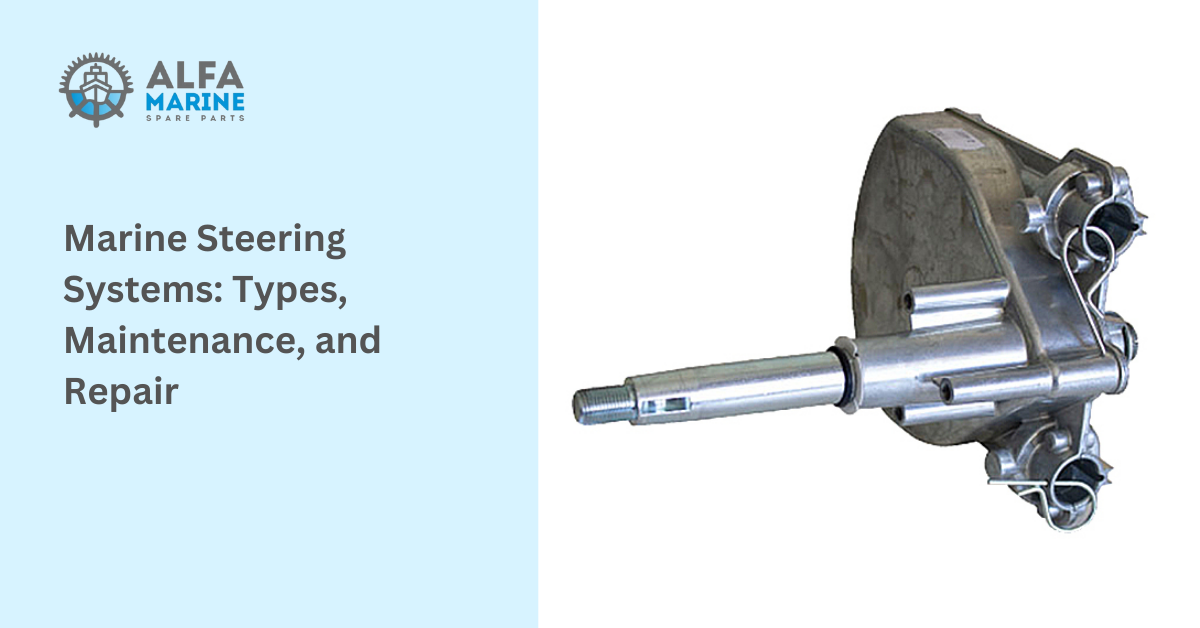
  • Types of Marine Steering 
  • Tiller Marine Steering
  • Wheel Steering 
  • Hydraulic Marine Steering
  • Cable Steering
  • Power-Assisted Steering 
  • Maintenance of Marine Steering Systems
  • Inspecting for Wear and Damage
  • Lubrication 
  • Checking Hydraulic Fluid Levels
  • Bleeding the Hydraulic System
  • Testing the Steering System
  • Common Issues and Repair Solutions
  • Hard Marine Steering
  • Loose Marine Steering
  • Leaking Hydraulic Fluid
  • Erratic Steering
  • Rudder Alignment
  • Conclusion
  • FAQs
  • How regularly should I investigate my Marine Steering gadget?
  • Can I use automotive steerage fluid in my boat's hydraulic guidance device?
  • How do I know if my boat's guidance cable wishes to be replaced?
  • Can I restore a leaking hydraulic guidance hose myself?
  • What should I do if my boat's steerage turns stiff or unresponsive?
Read more
  • Marine Corrosion: Pondering the gravity of the situation and starting the use of the effective preventive measures.
  • The Science Behind the Threat: The process of corrosion in the marine environment.
  • Many of these could act as agents of destruction.
  • General FAQs